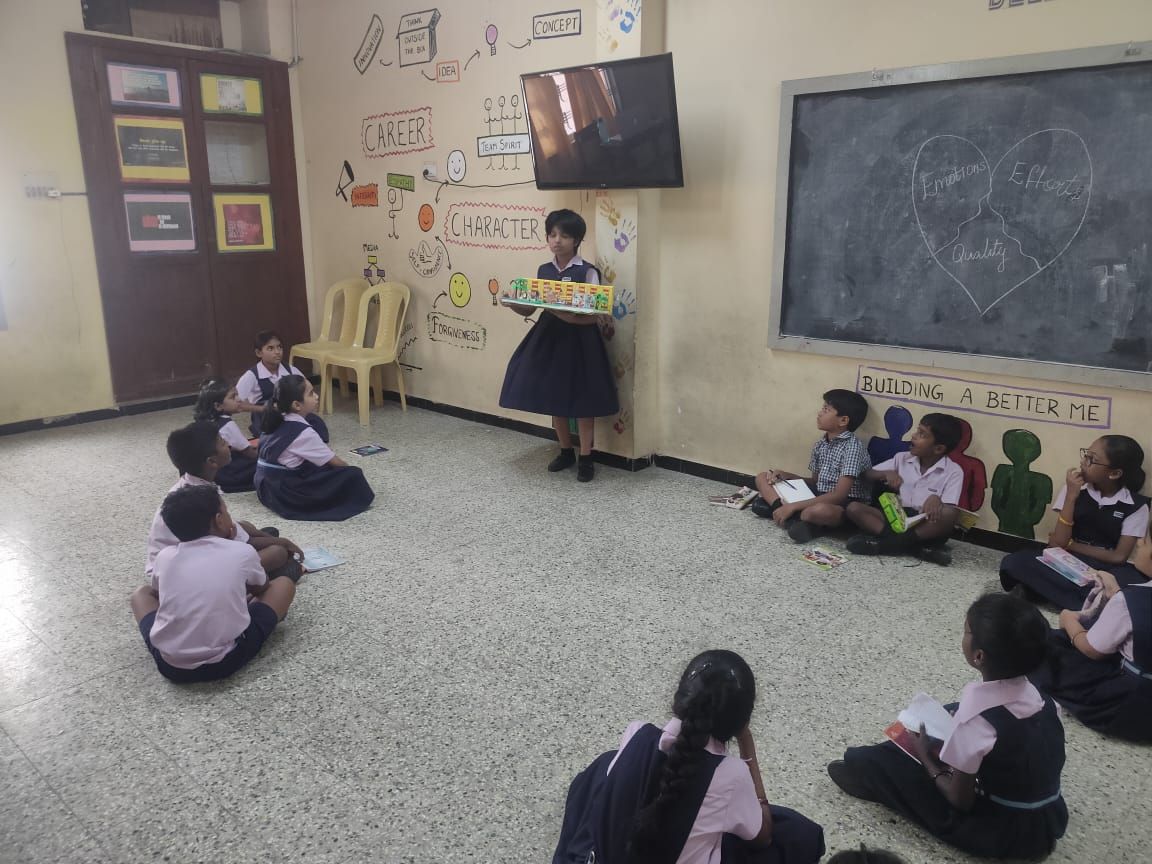

Every week, in every grade, a Life Club session in a Tieke school follows the same five moves. Not because every class is the same — but because a reliable structure is what lets a teacher or Life Coach adapt to the class in front of them.
Why a method at all?
Social-emotional learning can easily become a list of topics: kindness this week, stress next week. Topics alone rarely change behaviour. Students need to meet a theme, understand why it matters, practise it, reflect on it, and carry it into their week. The 5Ps method turns that sequence into a session plan anyone trained in it can run inside the existing timetable.
The five moves
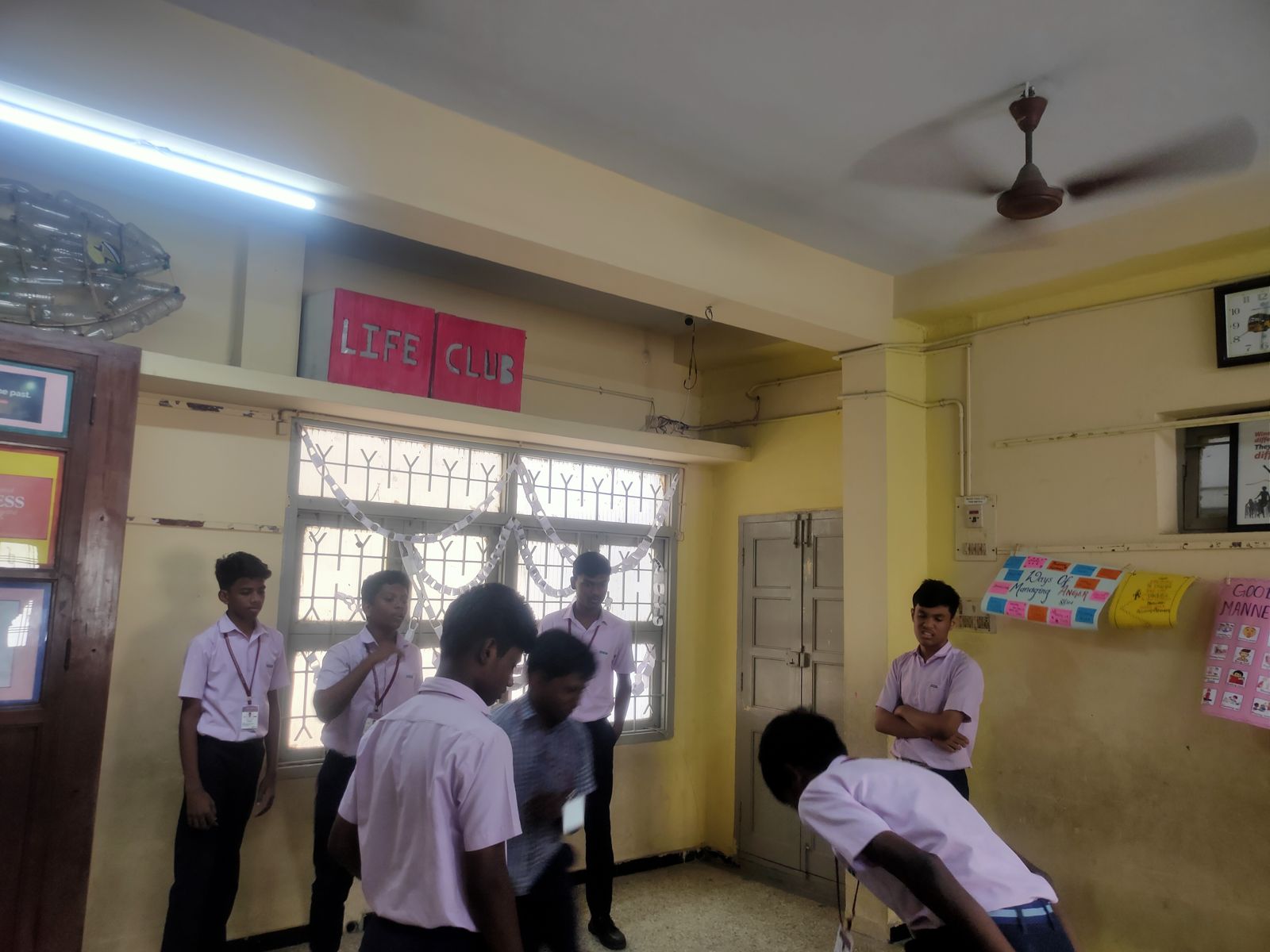
The order matters. Preface earns attention with a story rooted in Indian classrooms. Purpose tells students what they will take away, so the activity isn't just fun. Process is activity-based — discussion, cases, role play and media. Ponder slows the class down to connect the idea to their own lives. And Practice for Life sends it out of the room: home, friends, community and digital life.
Growing with the learner
The method stays the same from Grade 1 to Grade 12; the themes change with the learner. Primary students work on values, manners, friendship, self-awareness, confidence and emotions. Secondary students move to empathy, self-control, bullying, critical thinking, stress and problem solving. Senior secondary students take on identity, emotional regulation, resilience, relationships, digital citizenship, and career and workplace skills.
The definition of a good school has moved from “What does the student know?” to “Who is the student becoming?”
Where the Life Book fits
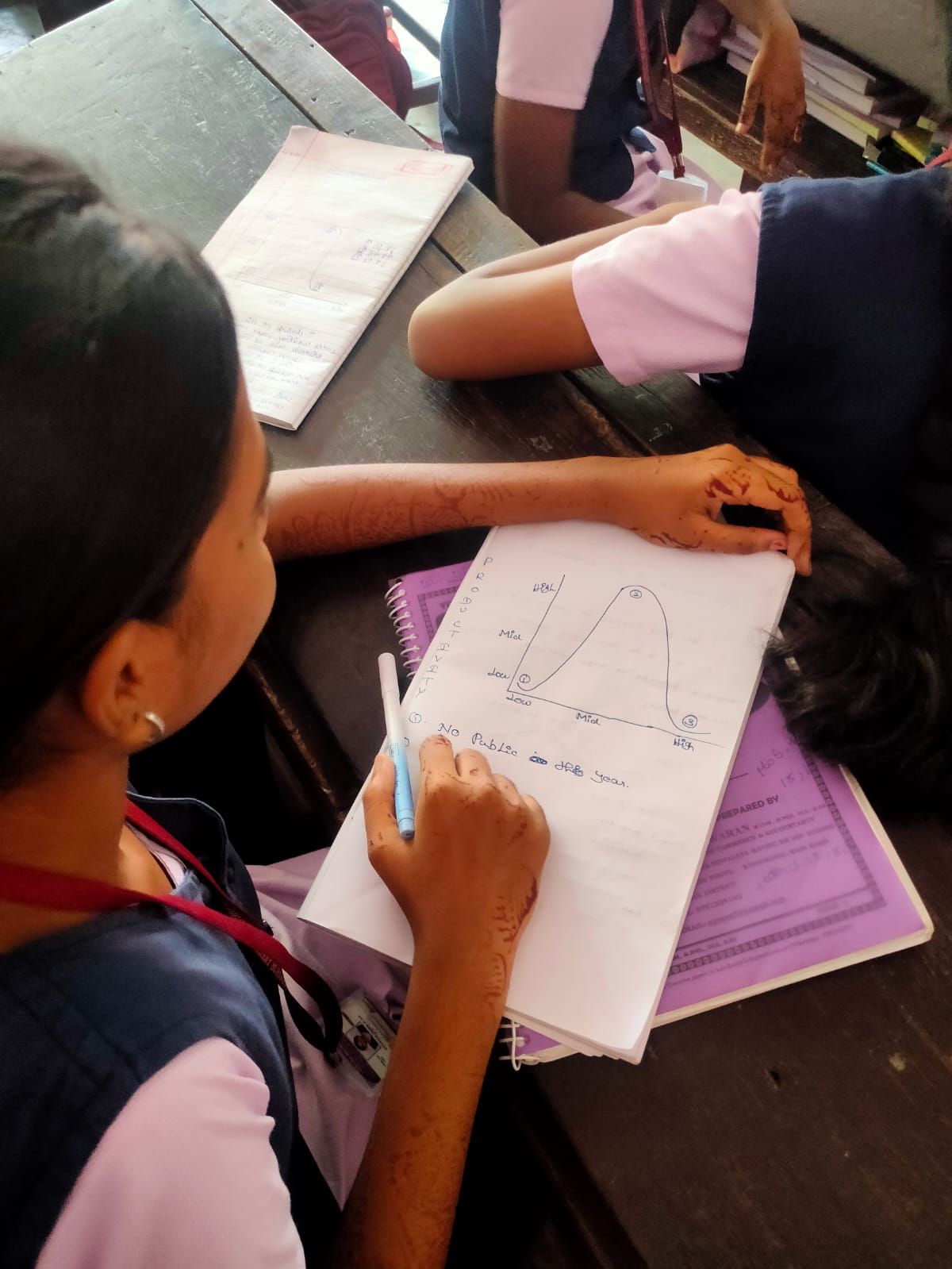
Ponder needs somewhere to happen. The Life Book workbook (Grades 1–10) gives each student pages for reflection, self-assessment and real-life application — like a self-assessment on friendship — and it travels home, which is how parents see what their child is learning.
 Written by the Tieke programme team — running student development in Indian classrooms since 2018.See Life Club in your school