
A child’s emotional development does not happen in isolation. It is shaped continuously through interactions at home and in school. While schools play an important role in providing structure and guidance, parents remain one of the most consistent influences in a child’s life.
How children understand emotions, respond to challenges, build confidence, and form relationships is often influenced by what they experience at home. As schools increasingly focus on holistic development, the role of parents becomes closely connected to how effectively students are supported.
This article looks at how parents contribute to a child’s emotional development and how this connects with structured support systems within schools.
What is Emotional Development in Children?
Emotional development refers to how children:
- Recognise and understand their emotions
- Express their thoughts and feelings
- Manage stress, pressure, and challenges
- Build relationships with peers and adults
- Develop confidence and self-awareness
These abilities influence not only how students behave, but also how they learn, participate, and adapt within school environments.
Emotional development is not built through one-time conversations. It develops over time through consistent experiences, guidance, and observation.
How Parents Shape Emotional Development
1. Everyday Interactions and Communication
Children often learn how to express themselves by observing how conversations happen at home.
Simple aspects such as:
- Whether children feel heard
- How disagreements are handled
- How emotions are acknowledged
can influence how comfortable they feel expressing themselves in other environments, including school.
Open and calm communication helps children:
- Share concerns more freely
- Develop confidence in expression
- Understand that emotions can be discussed constructively
2. Responses to Success and Failure
How parents respond to outcomes plays a significant role in shaping a child’s mindset.
When success is emphasised without acknowledging effort, or when failure is met with pressure, children may develop:
- Fear of making mistakes
- Hesitation in trying new things
- Increased stress during academic situations
Balanced responses that recognise effort, improvement, and learning help children:
- Build resilience
- Approach challenges with confidence
- View setbacks as part of the learning process
3. Setting Expectations and Providing Stability
Clear and realistic expectations provide children with a sense of structure.
At the same time, flexibility and understanding help children manage pressure.
A supportive environment at home can help students:
- Regulate emotions during stressful situations
- Maintain focus in school
- Build consistency in behaviour
4. Modelling Behaviour and Emotional Responses
Children often learn more from observation than instruction.
How parents:
- Handle stress
- Respond to challenges
- Interact with others
influences how children behave in similar situations.
Consistent and calm responses can help children develop:
- Emotional regulation
- Respectful communication
- Thoughtful decision-making
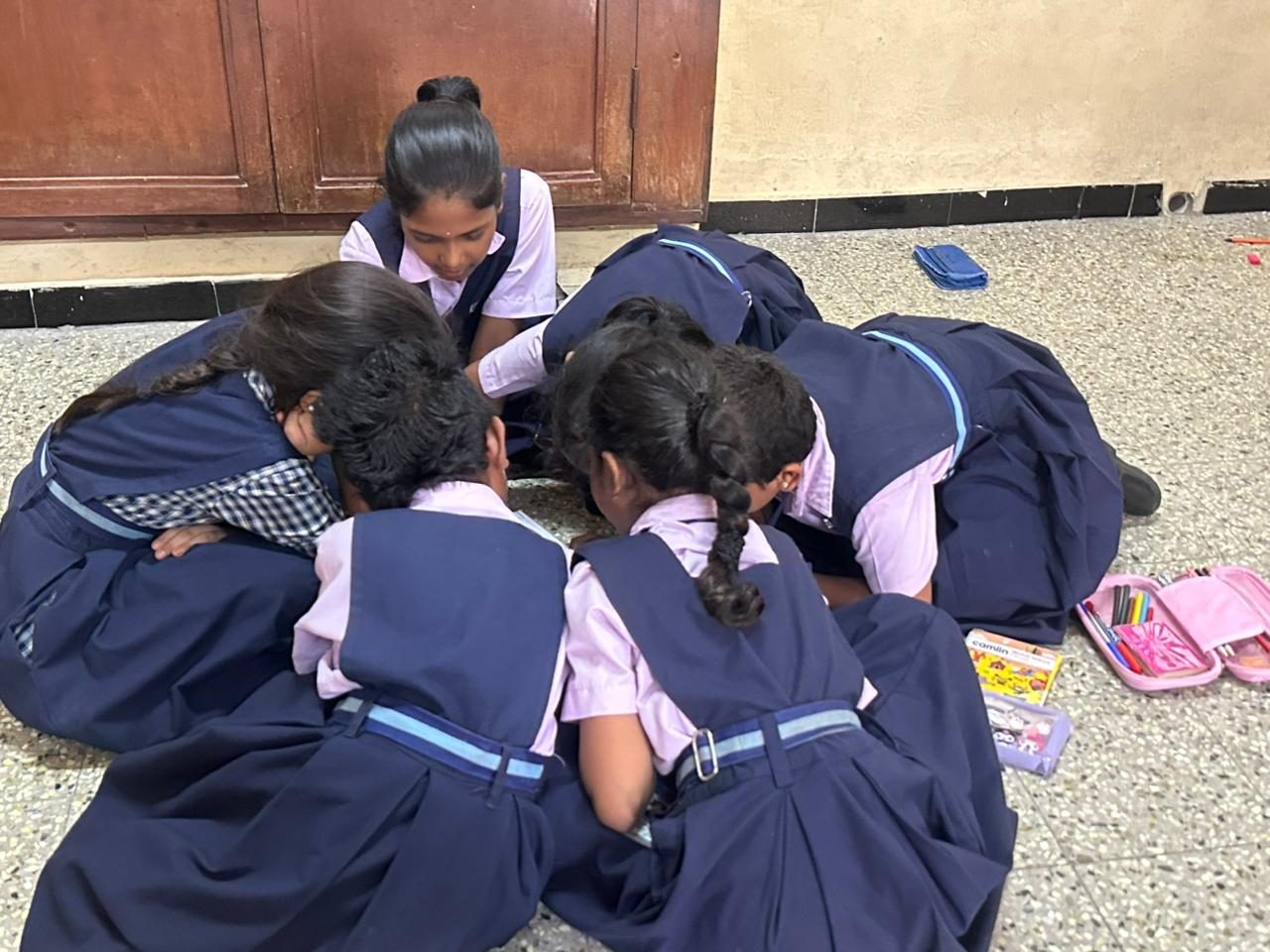
Where Schools and Parents Intersect
While parents provide foundational support, schools observe children in a different environment—one that includes peer interaction, structured learning, and social dynamics.
This creates an important intersection between home and school.
Schools may observe:
- Changes in behaviour
- Patterns in participation
- Social interactions with peers
- Emotional responses in classroom settings
When these observations are shared constructively with parents, it allows for a more complete understanding of the child.
Role of Structured School Systems
To support this collaboration, schools are increasingly building structured systems that provide clarity and consistency. This is where we come in with our program:
Life Club – Life Skills & Character Education
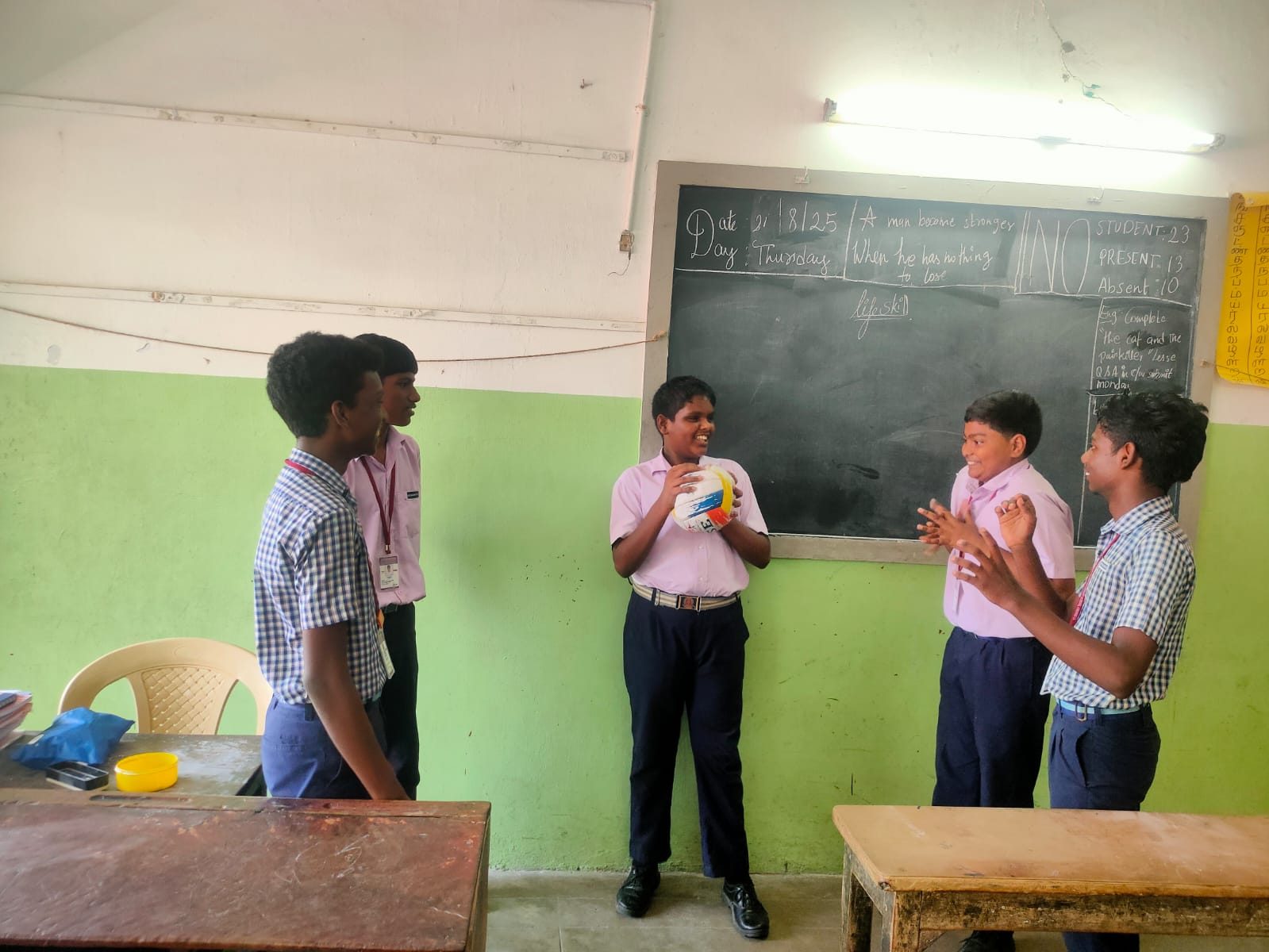
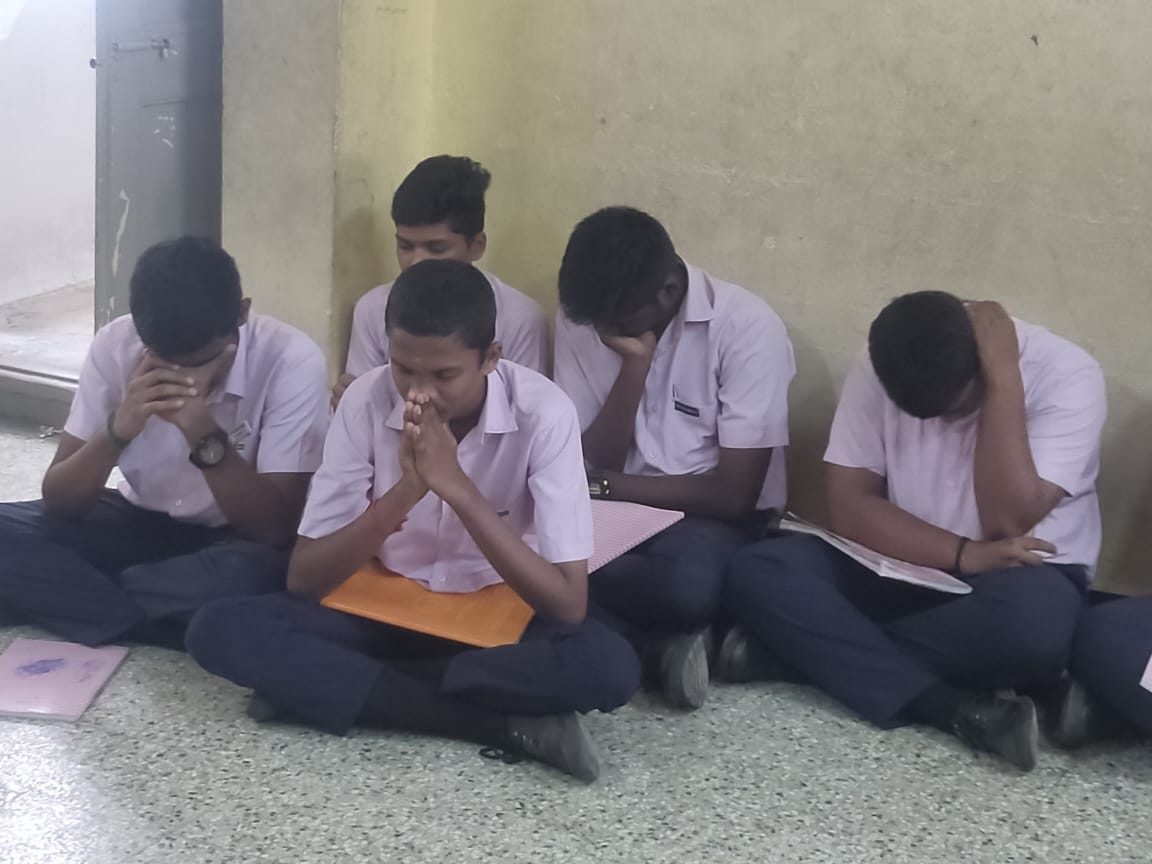
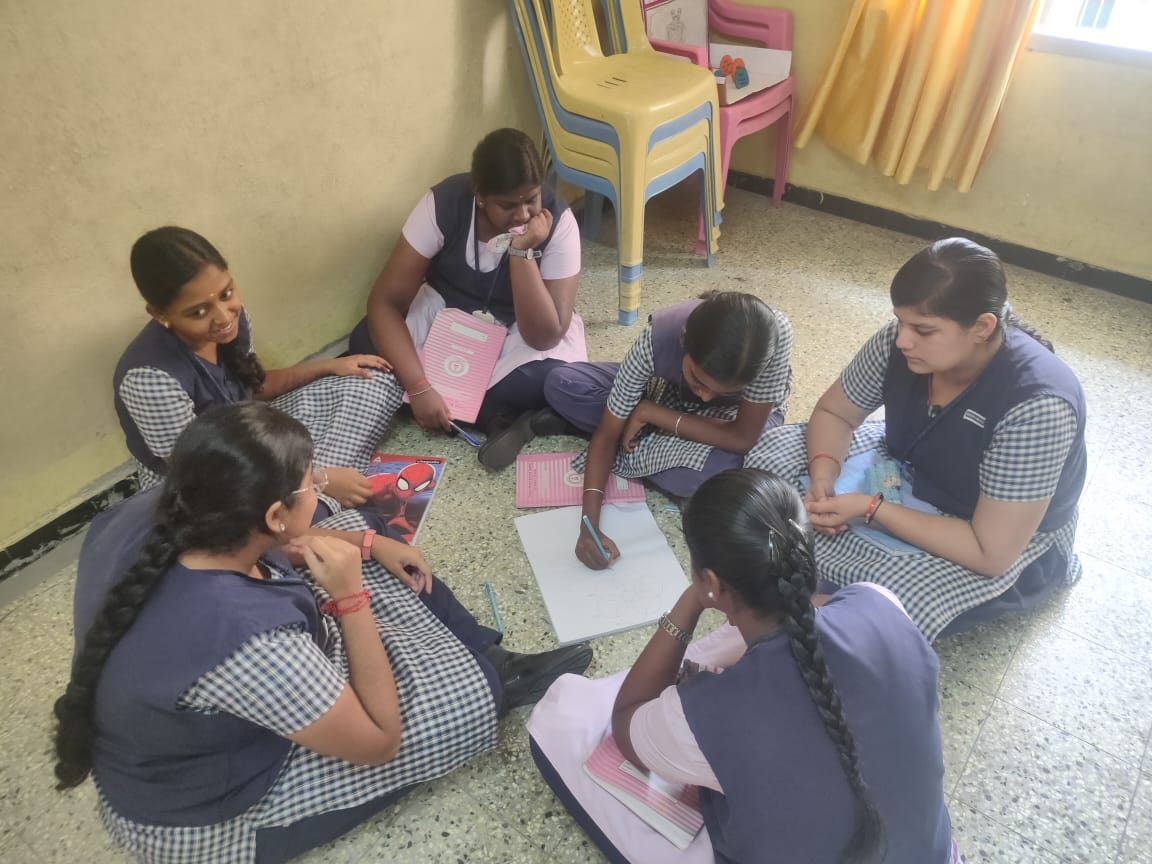
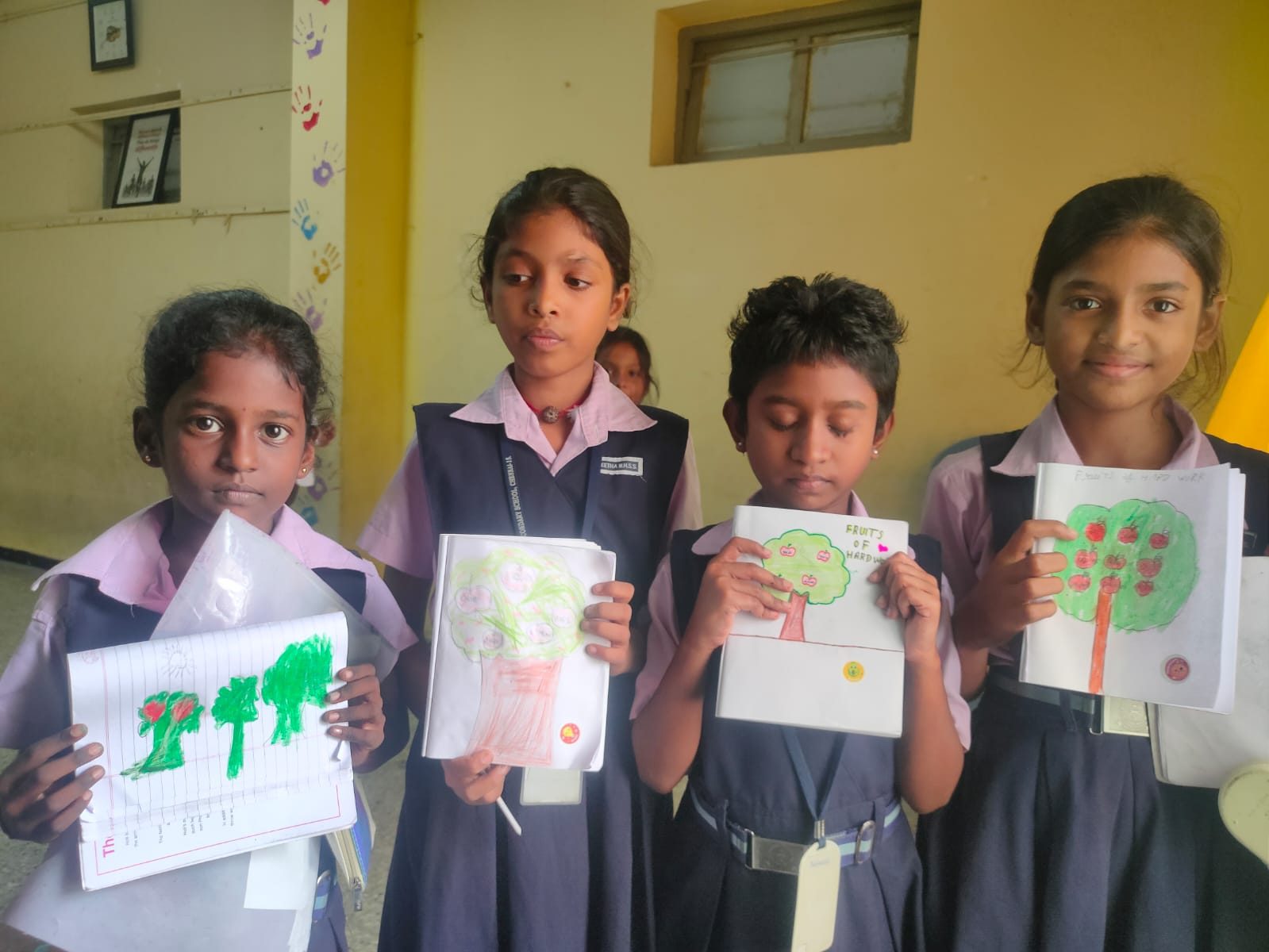
Through Life Club – Life Skills & Character Education, students engage in regular sessions that focus on:
- Emotional awareness
- Communication skills
- Decision-making
- Relationship building
These sessions provide a structured environment where students can learn and reflect on real-life situations.
Life Coach (In-Campus School Counsellor)
The presence of a Life Coach (In-Campus School Counsellor) ensures that students have access to:
- A safe and non-judgmental space
- Professional guidance when needed
- Support for managing emotional and behavioural concerns
The Life Coach also works with teachers and school leadership to understand patterns and provide appropriate support.
Counselling Support and Continuity
Counselling within schools is structured and continuous. It may be initiated through:
- Teacher referrals
- Self-referrals
- Peer observations
This ensures that support is not limited to visible concerns but is available whenever required.
General Assessments through Tieke AI
To provide greater visibility, General Assessments through Tieke AI observe patterns across:
- Cognitive development
- Behavioural traits
- Emotional well-being
- Academic learning patterns
These insights help schools and parents move beyond isolated observations and understand long-term patterns in student development.
Strengthening Parent–School Collaboration
For emotional development to be effectively supported, alignment between parents and schools is essential.
This can be strengthened through:
- Open communication during PTMs
- Sharing observations beyond academics
- Providing consistent guidance across home and school environments
- Encouraging students to express themselves in both spaces
When parents and schools work together, students experience consistency, which supports their overall development.
Conclusion
A child’s emotional development is shaped through continuous interaction between home and school. Parents play a foundational role in how children understand and express emotions, while schools provide structured environments where these behaviours are observed and guided.
By integrating efforts through Life Club – Life Skills & Character Education, access to a Life Coach (In-Campus School Counsellor), structured counselling support, and insights through Tieke AI, schools create systems that complement the role of parents.
Together, this partnership helps students develop the confidence, resilience, and emotional awareness they need to navigate both school and life effectively.
 Written by the Tieke programme team — running student development in Indian classrooms since 2018.See how Tieke supports families