
Student mental health has become an increasingly important area of focus in schools. While academic performance continues to be a primary measure of success, it is now widely recognised that a student’s ability to learn is closely linked to their emotional and psychological state.
In today’s school environment, students are navigating a range of influences that extend beyond textbooks and classrooms. Academic expectations, peer relationships, digital exposure, and changing social dynamics all contribute to how students think, feel, and behave. Understanding these factors is essential for schools that aim to support students in a structured and consistent manner.
This article looks at the key factors affecting student mental health today, and how schools are beginning to respond.
1. Academic Pressure and Performance Expectations
Academic pressure remains one of the most consistent influences on student mental health.
Students are often required to manage:
- Regular assessments and examinations
- Expectations from parents and teachers
- Competitive academic environments
- The need to perform consistently across subjects
While a certain level of challenge can support growth, sustained pressure without adequate support can lead to:
- Stress and anxiety
- Fear of failure
- Reduced confidence in participation
- Avoidance of academic engagement
In many cases, students may not openly express these challenges, making it important for schools to observe behavioural patterns over time rather than relying only on academic outcomes.
2. Peer Pressure and Social Comparison
Peer relationships play a significant role in shaping a student’s school experience.
Students often navigate:
- The need for social acceptance
- Group dynamics within classrooms
- Comparison with peers in academics and extracurricular activities
- Fear of exclusion or judgment
In recent years, peer pressure has evolved beyond physical school spaces. Social comparison is now continuous, influenced by both in-school interactions and digital environments.
This can impact:
- Self-esteem
- Confidence in expression
- Willingness to participate
- Emotional stability
Understanding these dynamics requires schools to look beyond surface-level behaviour and recognise patterns that may indicate underlying concerns.
3. Social Media and Digital Exposure
Digital platforms have significantly changed how students interact with the world.
Students today are exposed to:
- Constant streams of information
- Online validation through likes and comments
- Comparisons with peers and influencers
- Global events and discussions
This exposure can influence:
- How students perceive themselves
- Their expectations from life and success
- Their attention span and focus
- Their emotional responses to situations
While digital platforms can offer opportunities for learning and connection, unregulated exposure can contribute to anxiety, distraction, and unrealistic expectations.
Schools are increasingly recognising the need to address digital behaviour and awareness as part of student development.
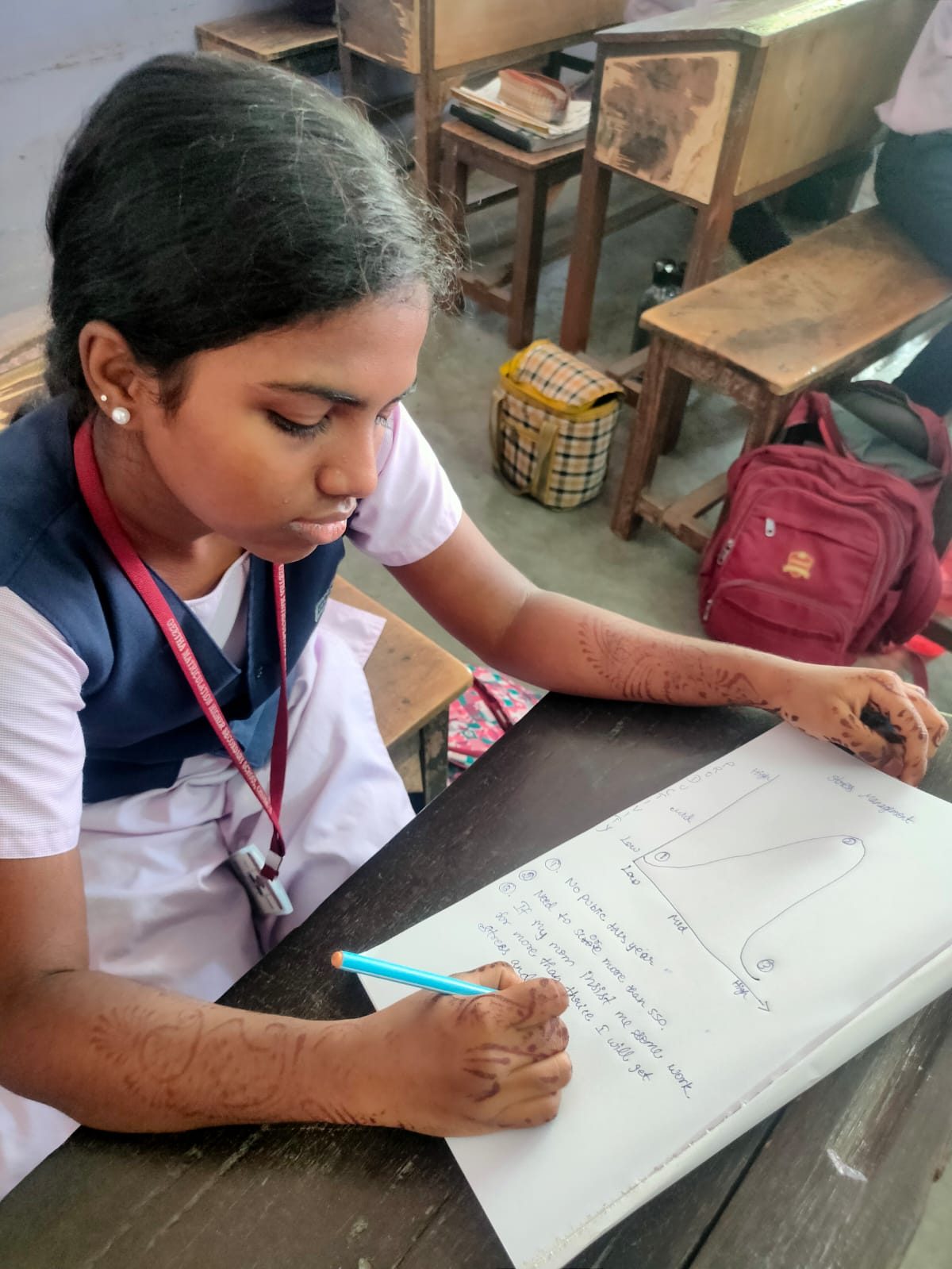
4. Changing Family Dynamics and Expectations
Family environments continue to play an important role in shaping student behaviour and emotional wellbeing.
Students may experience:
- High expectations related to academic performance
- Limited time for open conversations
- Pressure to balance multiple responsibilities
- Differences in communication styles
In some cases, students may find it difficult to express their concerns or seek support, leading to internalised stress.
This makes it important for schools and parents to work together in understanding student needs and creating consistent support systems.
5. Emotional Awareness Without Structured Guidance
Students today are more aware of emotions such as stress, anxiety, and pressure. However, awareness does not always translate into the ability to manage these experiences.
Without structured guidance, students may:
- Struggle to regulate emotions
- React impulsively in challenging situations
- Withdraw from participation
- Find it difficult to communicate their concerns
This gap between awareness and skill development highlights the importance of structured life skills education within schools.
How Schools Are Responding Today and Where We Come In
Recognising these challenges, schools are beginning to adopt more structured approaches to student wellbeing. As a part of our program, we offer:
1. Life Skills and Character Education
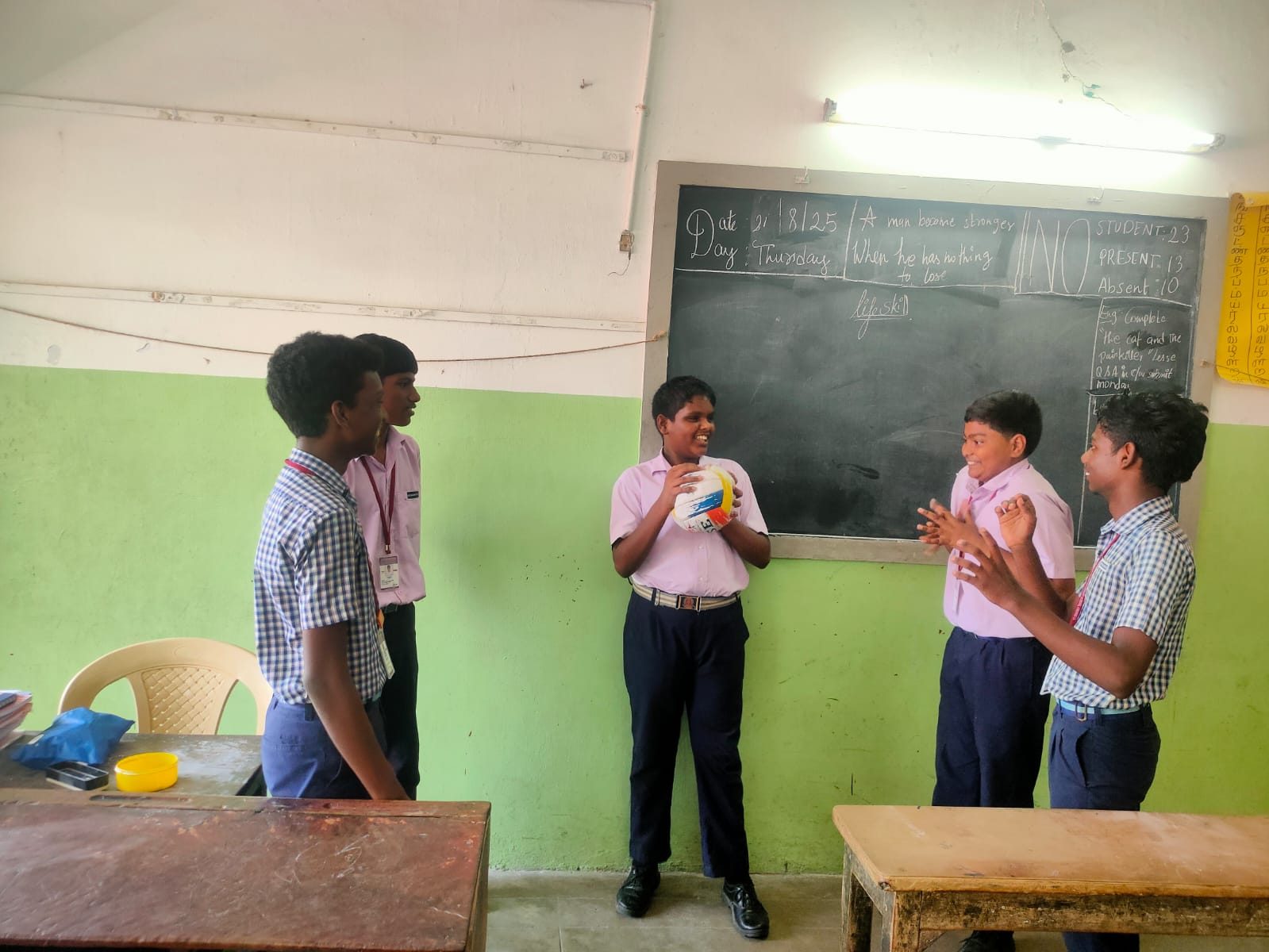
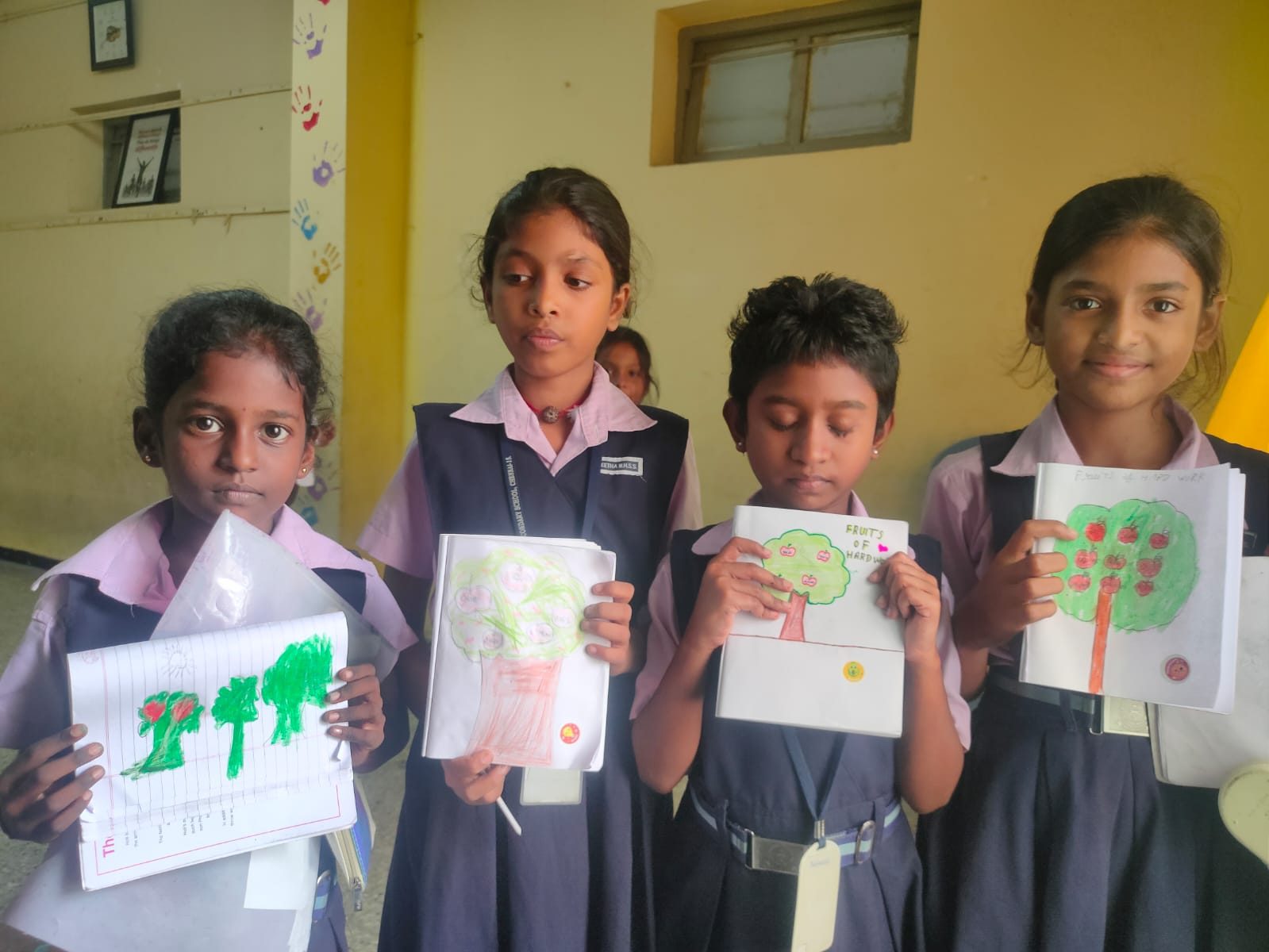
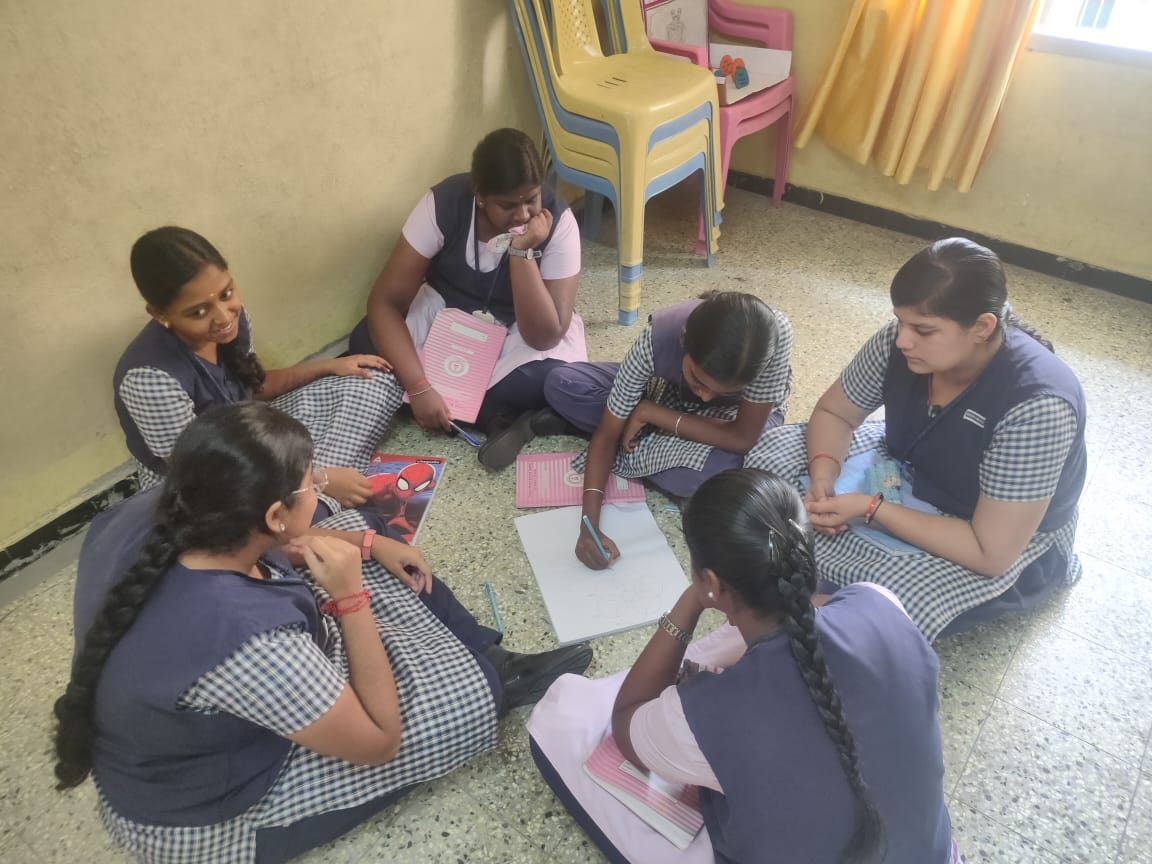
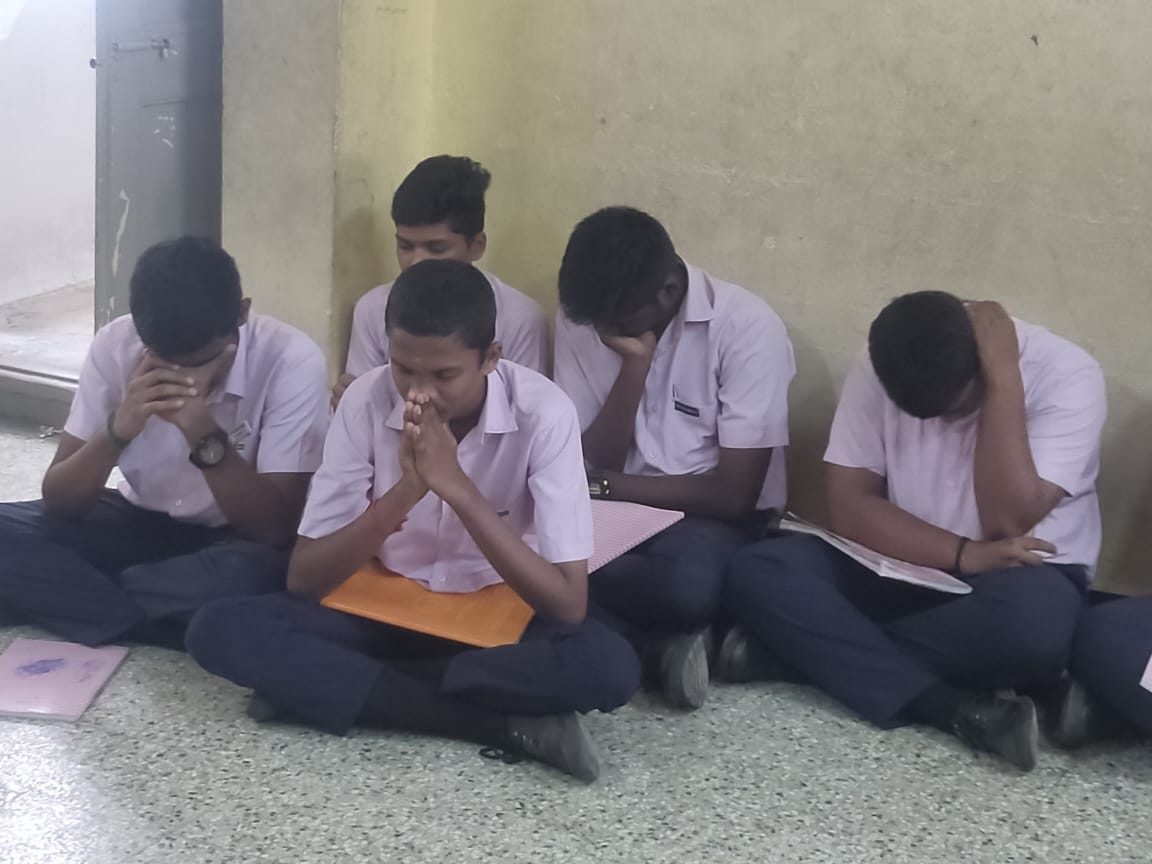
Includes Life Club – Life Skills & Character Education provide students with opportunities to develop:
- Emotional awareness
- Communication skills
- Decision-making abilities
- Resilience in everyday situations
These sessions are conducted regularly and integrated into the school environment.
2. Access to Counselling Support
The presence of a Life Coach (In-Campus School Counsellor) allows students to:
- Access professional guidance within the school
- Share concerns in a safe and confidential environment
- Receive support through structured counselling processes
Counselling is not limited to crisis situations but is part of ongoing student support.
3. Structured Observation and Assessment
Through General Assessments enabled by Tieke AI, schools are able to observe patterns across:
- Cognitive development
- Behavioural traits
- Emotional well-being
- Academic learning patterns
These assessments are system-generated and standardised, helping reduce subjectivity and providing a more objective view of student development.
Consistent and Preventive Approach
Rather than relying on isolated interventions, schools are building systems that:
- Run alongside academics
- Provide regular touchpoints with students
- Enable early identification of concerns
- Support timely and appropriate responses
Conclusion
Student mental health in today’s school environment is shaped by a combination of academic, social, digital, and personal factors. These influences are interconnected and often not immediately visible through academic performance alone.
As a result, schools are moving towards approaches that provide greater visibility, consistency, and structure in how student development is supported.
By integrating life skills education, counselling support, and structured assessments, schools are better equipped to understand students beyond marks and respond thoughtfully to their needs.
Supporting student mental health is not a one-time effort. It requires continuous observation, guidance, and collaboration between schools, educators, and families.
 Written by the Tieke programme team — running student development in Indian classrooms since 2018.Talk to us about student wellbeing