
The National Education Policy (NEP) 2020 marks a significant shift in how education is viewed and delivered in India. While academic learning continues to remain important, the policy places equal emphasis on developing students as well-rounded individuals.
This includes not only what students learn, but also how they think, interact, and respond to the world around them. As a result, schools are now expected to move beyond a purely academic focus and build systems that support holistic student development.
This article looks at what holistic development means under NEP 2020 and what schools are expected to build in practical terms.
What is Holistic Development in NEP 2020
NEP 2020 defines education as a process that supports the overall growth of a student. This includes:
- Cognitive development (thinking, reasoning, problem-solving)
- Emotional development (self-awareness, regulation, resilience)
- Social development (relationships, communication, behaviour)
- Ethical and moral development (values, responsibility, empathy)
The policy recognises that these areas are interconnected and together influence how students learn and grow.
Holistic development, therefore, is not an additional layer but an integral part of the education system.
What Is Changing for Schools
Traditionally, schools have relied heavily on academic assessments to measure student progress. While these continue to play an important role, NEP 2020 encourages schools to broaden their approach.
Schools are now expected to:
- Focus on the development of life skills alongside academics
- Create environments that support emotional and social growth
- Provide guidance and counselling support within the school system
- Move from one-time interventions to continuous development processes
- Observe and understand students across multiple dimensions
This shift requires schools to rethink how student development is structured and supported across the academic year.
The Role of Social-Emotional Learning
Social-Emotional Learning (SEL) is a key component of holistic development.
SEL focuses on helping students build skills such as:
- Emotional awareness
- Self-regulation
- Communication and collaboration
- Responsible decision-making
- Relationship management
These skills influence how students participate in classrooms, interact with peers, and respond to challenges.
NEP 2020 encourages schools to integrate these competencies into everyday learning rather than treating them as separate activities.
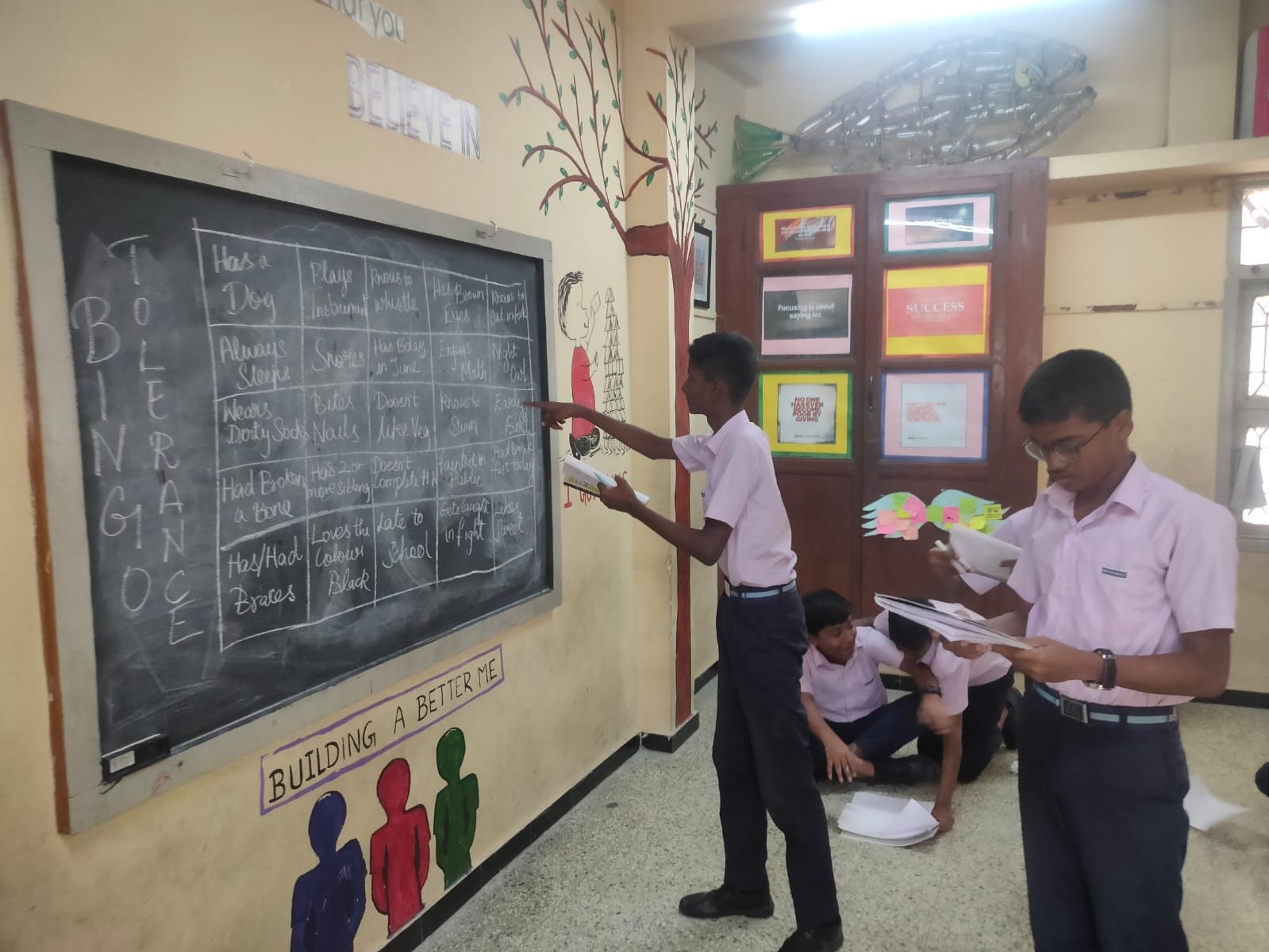
Counselling and Student Support Systems
Another important aspect highlighted in NEP 2020 is the need for structured counselling and guidance within schools.
Students often experience:
- Academic pressure
- Social challenges
- Emotional concerns
- Uncertainty in decision-making
Providing access to trained professionals within the school environment ensures that students have a safe and structured space to seek support.
This is where the role of a Life Coach (In-Campus School Counsellor) becomes important. Counsellors work closely with students, teachers, and parents to provide guidance that is consistent and aligned with the school environment.
Moving from Reactive to Preventive Approaches
A key expectation under NEP 2020 is the shift from reactive to preventive systems.
In many cases, student support has traditionally been provided only when a concern becomes visible. However, this approach may delay intervention and reduce its effectiveness.
Schools are now encouraged to:
- Observe patterns in student behaviour and learning
- Identify early signals of concern
- Provide guidance before challenges escalate
- Build systems that support students continuously
Preventive systems help create a more stable and supportive learning environment.
The Need for Structured Implementation
While the direction is clear, implementation requires structure.
Holistic development cannot be achieved through occasional workshops or isolated initiatives. It requires:
- Consistent engagement with students
- Defined processes and frameworks
- Alignment between teachers, counsellors, and leadership
- Mechanisms to track and understand student development over time
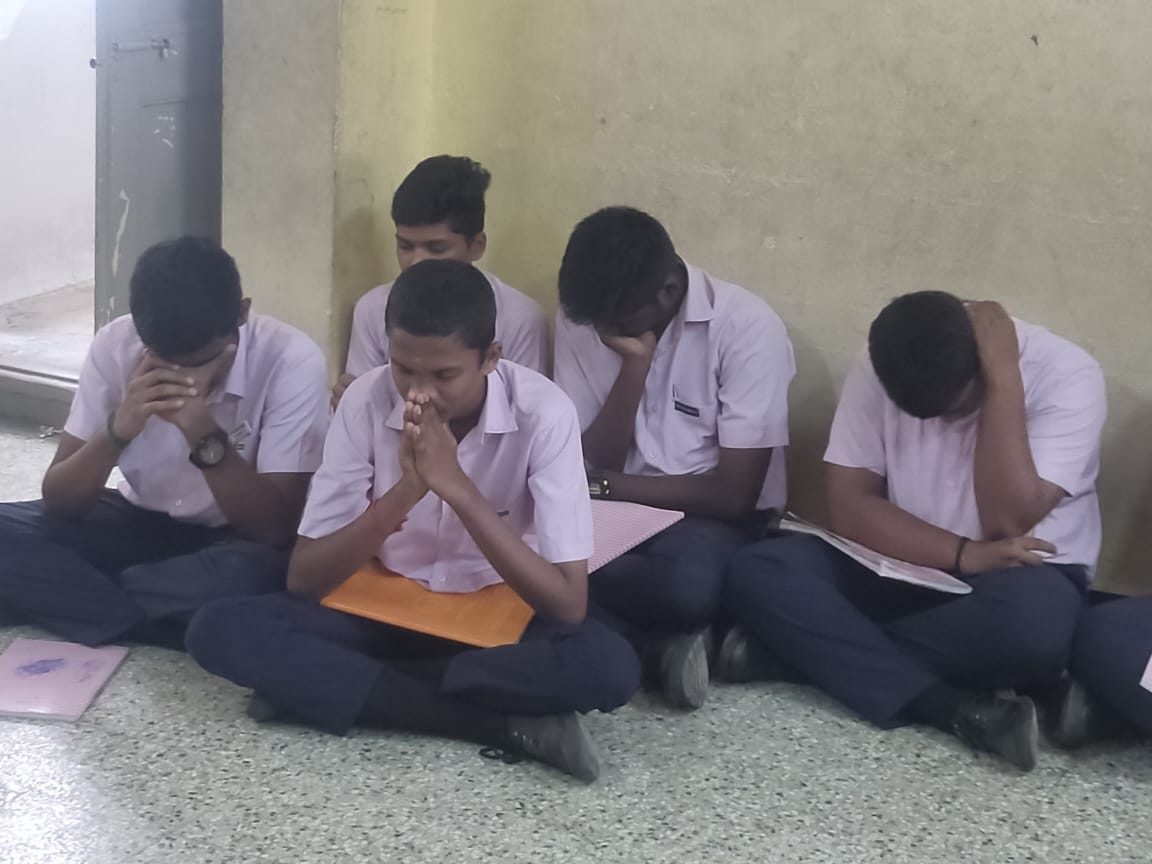
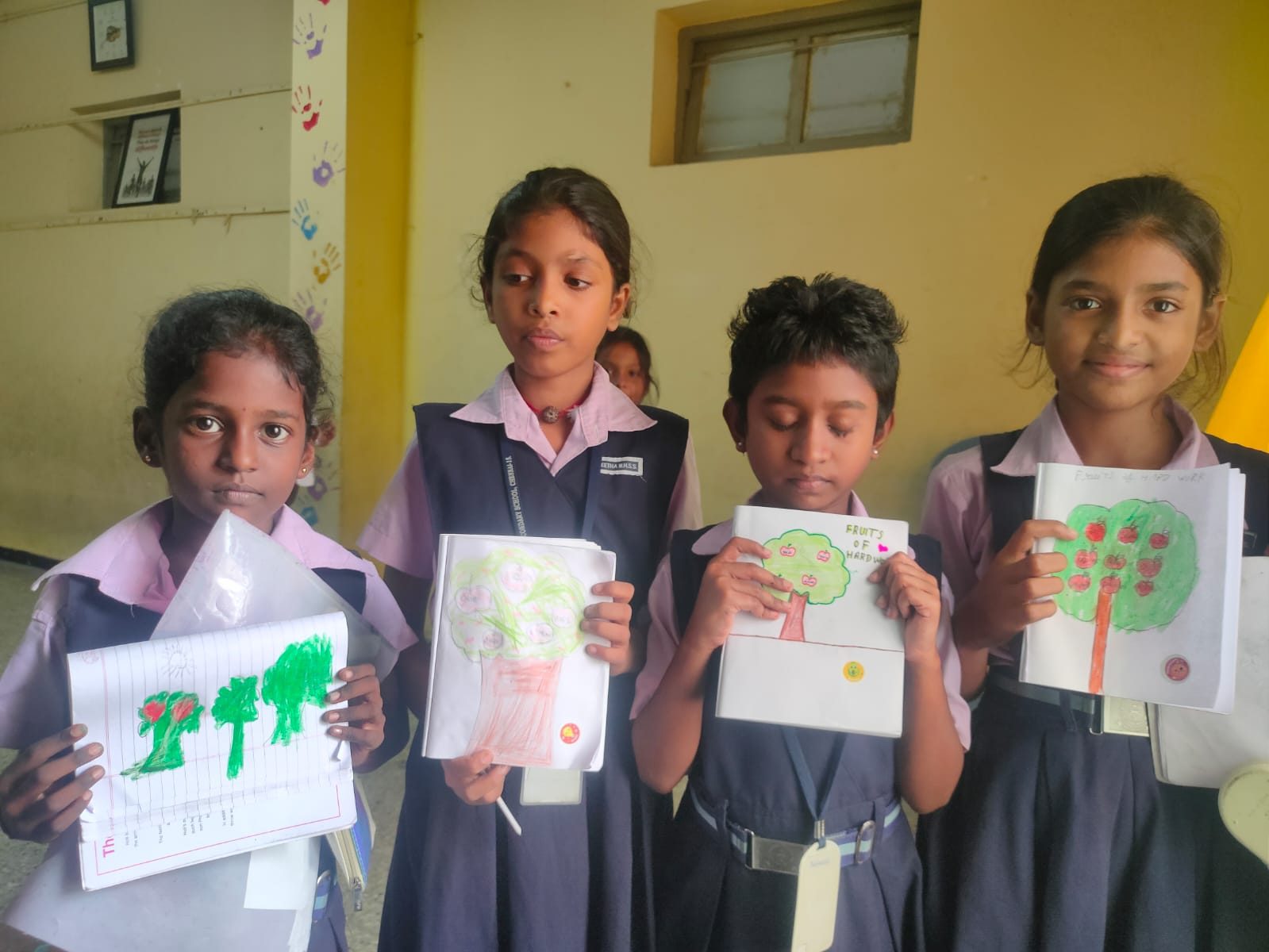
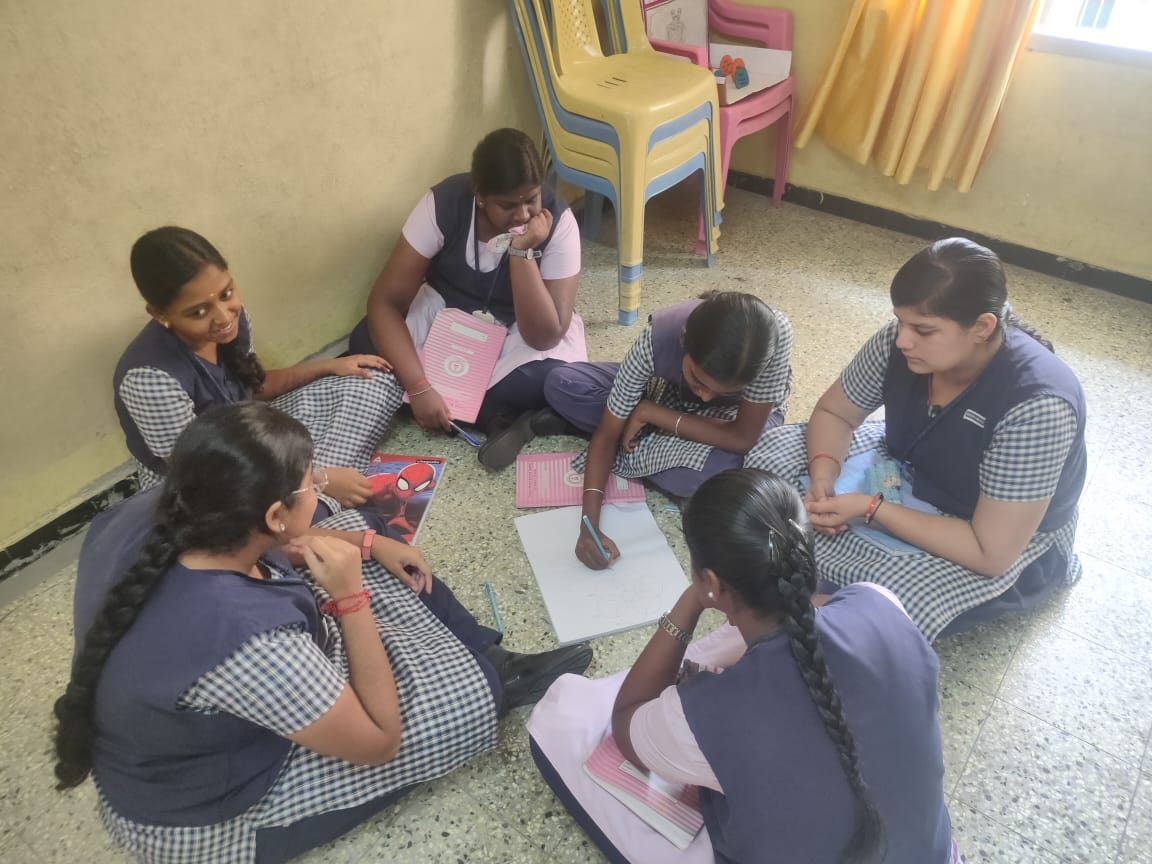
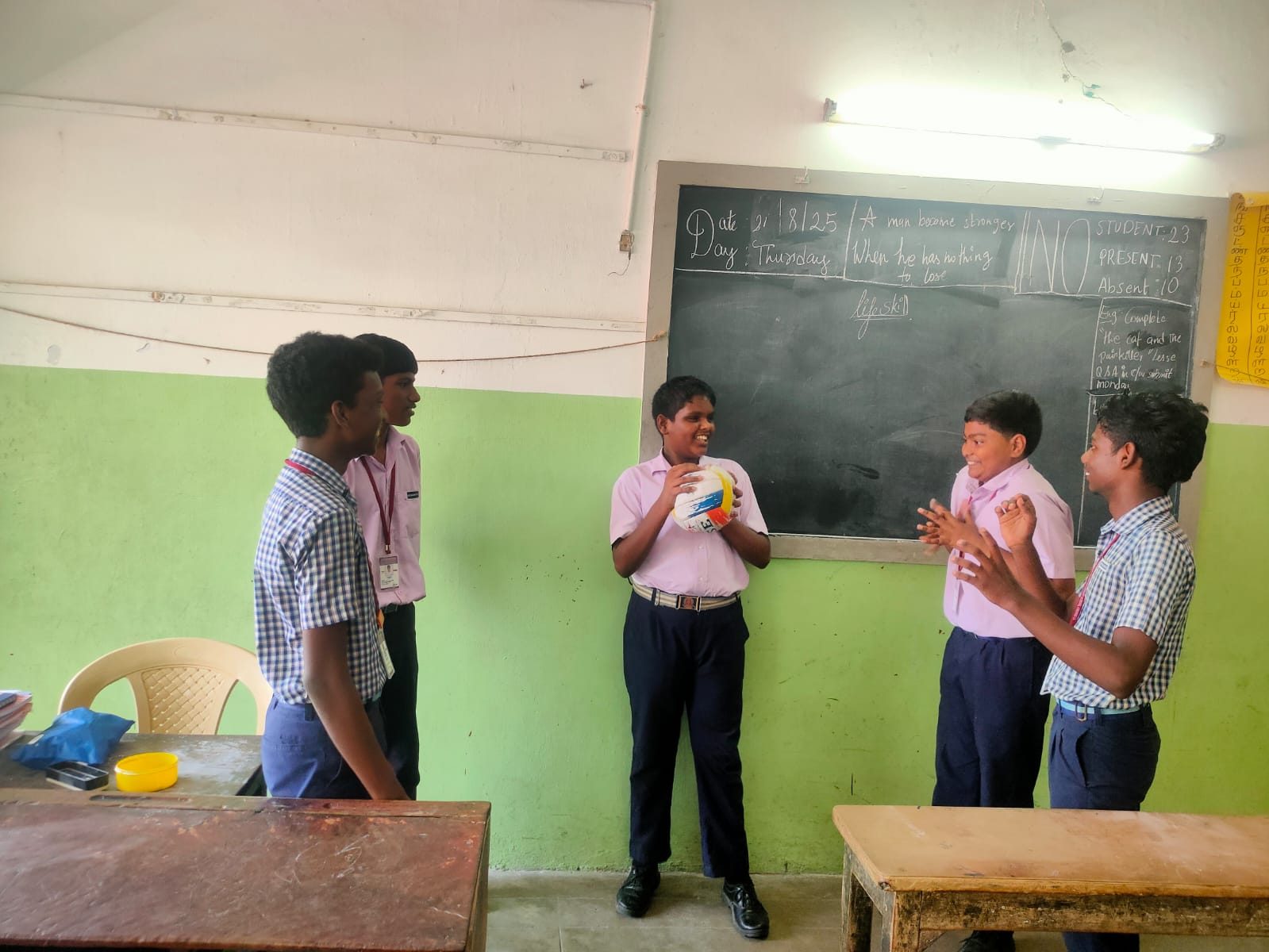
Programs such as Life Club – Life Skills & Character Education provide structured sessions that focus on life skills, values, and real-world application.
Alongside this, access to a Life Coach (In-Campus School Counsellor) ensures that students receive professional guidance within the school environment.
Role of Assessment and Visibility
NEP 2020 also highlights the importance of understanding student development beyond marks.
To support this, schools are beginning to adopt structured assessment approaches that provide visibility into multiple areas of development.
General Assessments through Tieke AI help schools observe patterns across:
- Cognitive development
- Behavioural traits
- Emotional well-being
- Academic learning patterns
These assessments are system-generated and standardised, which helps reduce subjectivity and provides a more consistent understanding of student progress.
This visibility enables schools to respond more effectively and support students based on observed patterns rather than isolated incidents.
Building a Collaborative Ecosystem
Holistic development requires collaboration between multiple stakeholders:
- School leadership
- Teachers
- Counsellors
- Parents
Each of these roles contributes to creating a consistent support system for students.
Parent engagement, especially through interactions such as PTMs, becomes more meaningful when developmental insights are shared alongside academic progress.
Conclusion
NEP 2020 provides a clear direction for schools to move towards a more comprehensive understanding of student development.
Holistic development is not an abstract concept. It requires structured systems, consistent engagement, and collaboration across stakeholders.
By integrating life skills education, counselling support, and structured assessments, schools can build environments that support students not only academically, but also emotionally, socially, and behaviourally.
As schools continue to align with NEP 2020, the focus will increasingly shift towards creating systems that help students grow as capable, confident, and responsible individuals.
 Written by the Tieke programme team — running student development in Indian classrooms since 2018.Plan NEP-aligned development