
Student wellbeing is often acknowledged as an important part of education. However, one of the most common challenges schools face is not whether to support wellbeing, but how to do so without disrupting academic schedules.
In many cases, wellbeing initiatives are introduced as separate sessions, occasional workshops, or one-time activities. While these may create awareness, they often lack continuity and do not integrate into the everyday rhythm of school life.
For wellbeing to be meaningful, it needs to be built into the academic calendar, not added alongside it. This requires a structured approach where different components—curriculum, counselling, observation, and assessment—work together consistently across the year.
Why Integration Matters
When wellbeing is treated as an additional activity, it often becomes:
- Inconsistent in delivery
- Dependent on availability of time
- Limited in long-term impact
Students benefit more when wellbeing is part of their regular school experience. This means:
- Regular engagement rather than one-time exposure
- Reinforcement of concepts over time
- Alignment with academic and developmental stages
- Continuous observation and support
Integration allows schools to move from isolated efforts to a system that supports students throughout the academic year.
Embedding Wellbeing Within the Academic Structure
Integration begins with recognising that wellbeing can coexist with academic priorities.
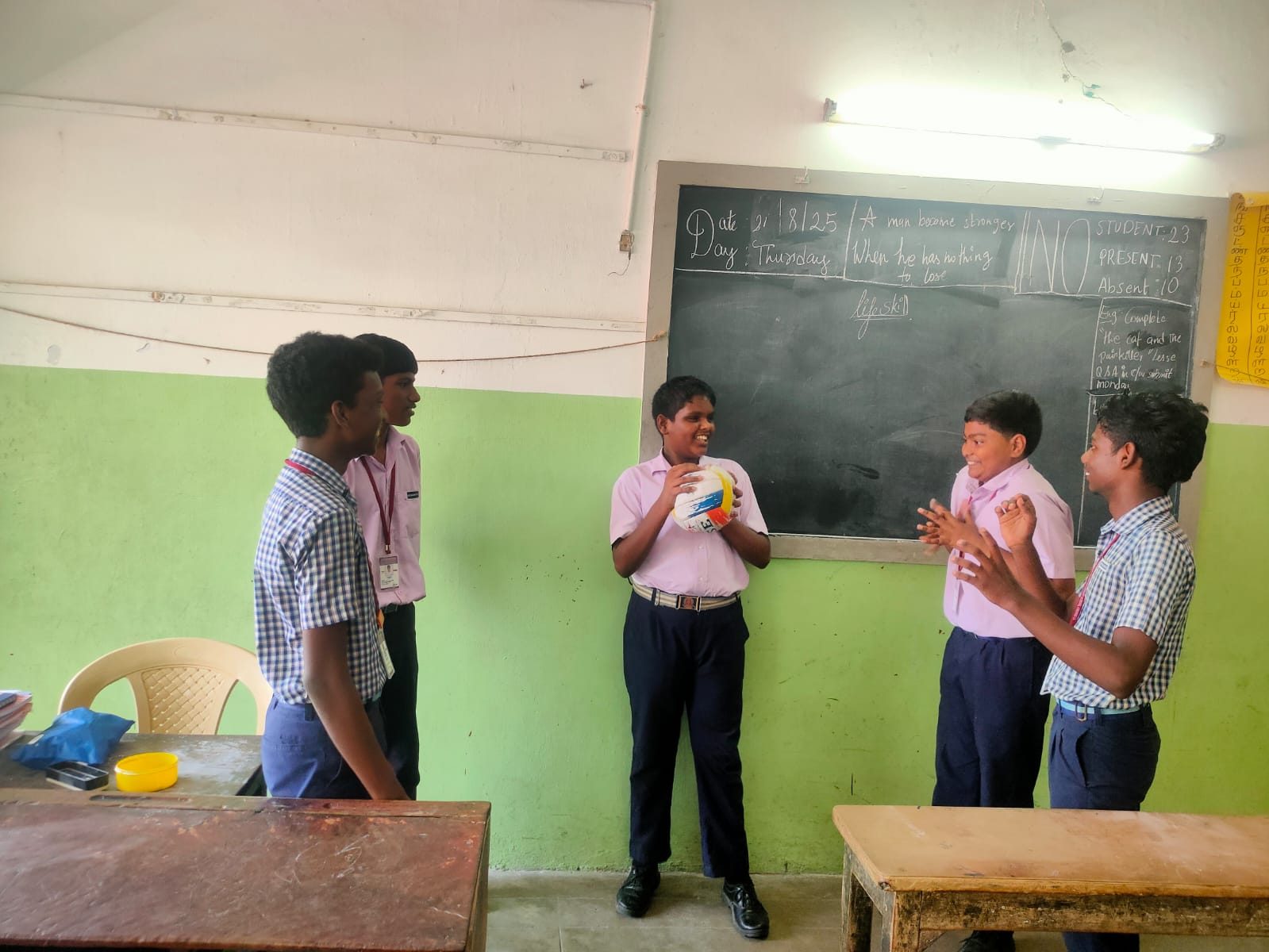
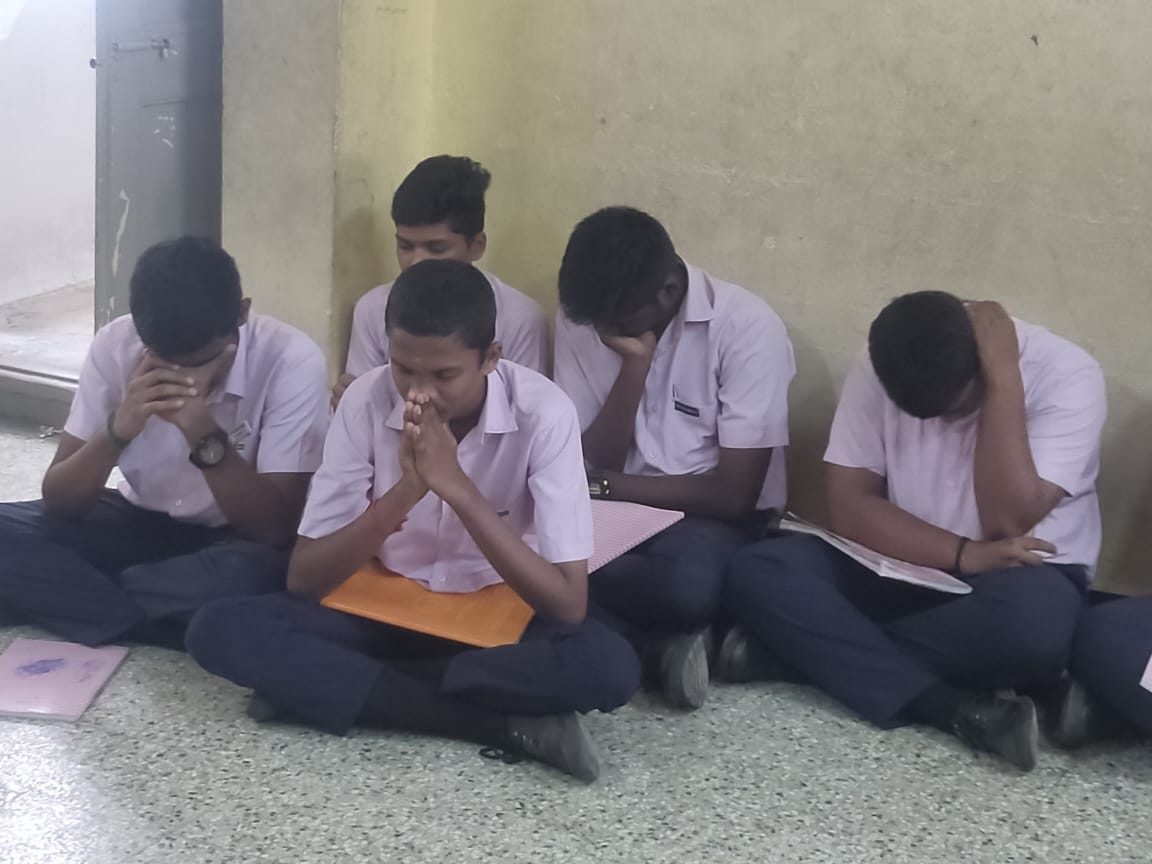
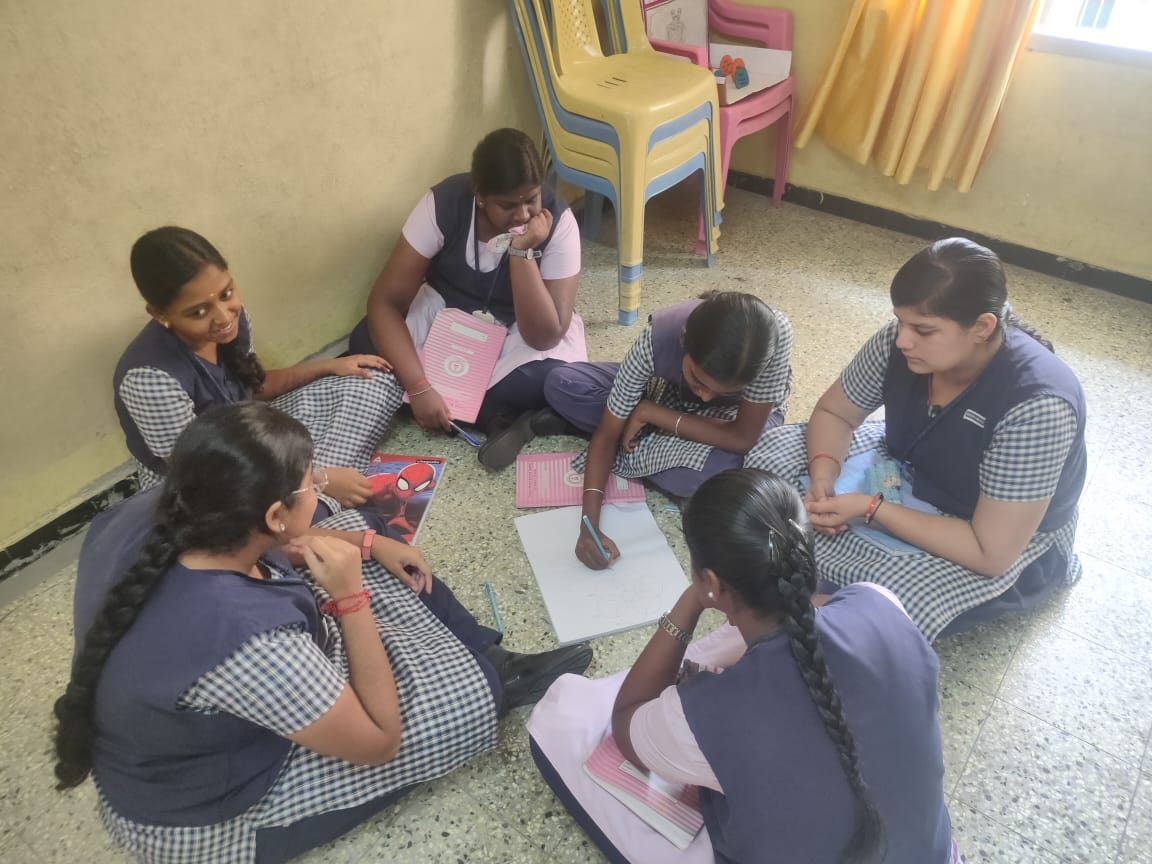
Schools can create space within the timetable for structured engagement through Life Club – Life Skills & Character Education. These sessions are designed to run alongside academics, ensuring that students consistently engage with themes such as communication, emotional awareness, and decision-making.
Because these sessions are part of the academic schedule, they provide continuity rather than interruption.
Role of the Life Coach in Daily School Rhythm
A key part of integration is the presence of a Life Coach (In-Campus School Counsellor) within the school environment.
The Life Coach does not function separately from the academic system but works within it by:
- Observing student behaviour during classes and activities
- Coordinating with teachers to understand student needs
- Providing counselling support when required
- Creating safe spaces for students to express concerns
This ongoing presence ensures that student support is accessible and aligned with the school’s daily rhythm.
Linking Classroom Observations to Counselling Support
Integration becomes effective when different components are connected.
Observations made during classroom interactions or Life Club sessions can help identify patterns in:
- Student participation
- Behavioural responses
- Emotional engagement
These observations may lead to structured counselling support through referrals, self-referrals, or peer referrals.
Counselling is therefore not isolated, but linked to what is observed within the school environment, ensuring that support is timely and relevant.
Building Continuity Through Monthly Themes
Another way schools integrate wellbeing into the academic calendar is by following a structured progression of themes.
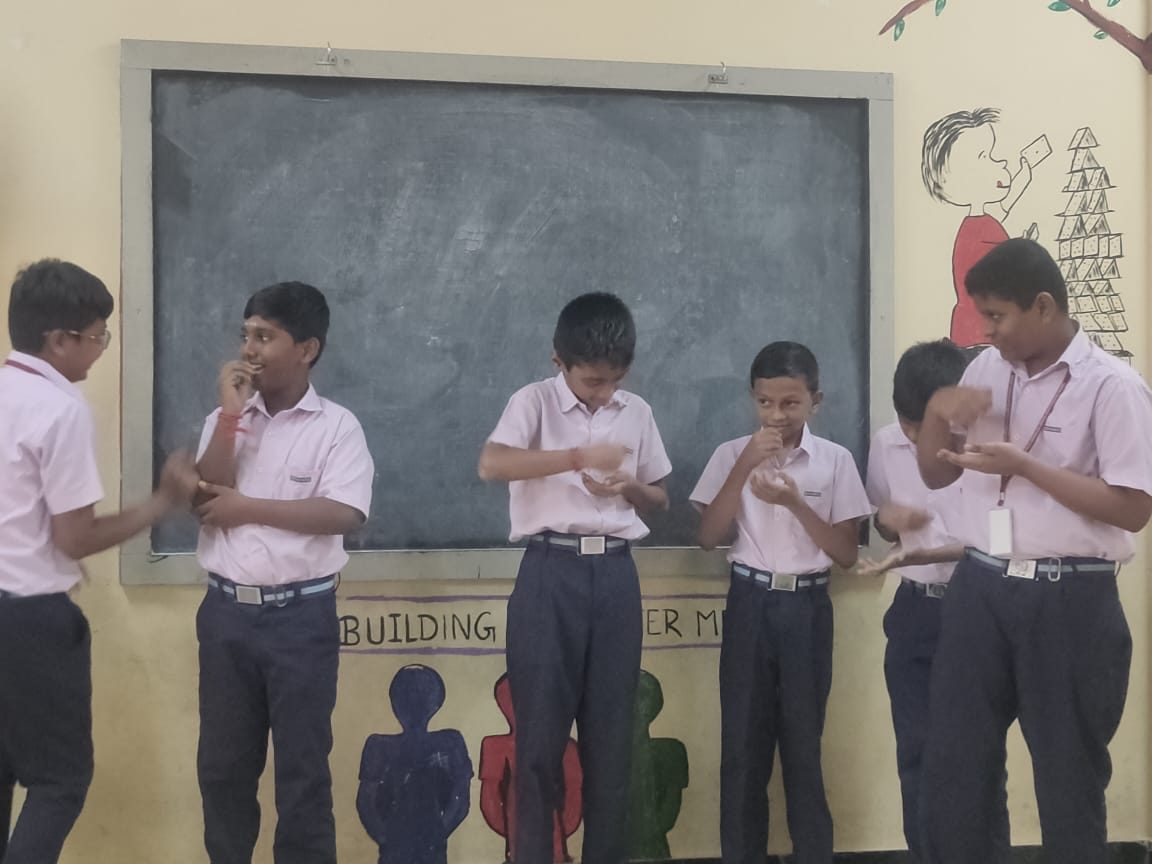
Within Life Club – Life Skills & Character Education, each month introduces a specific theme that is explored across multiple sessions. This allows students to:
- Understand concepts gradually
- Reflect on their experiences
- Apply learning in real-life situations
This structured progression ensures that learning is reinforced over time rather than introduced as a one-time concept.
Creating Visibility Through Structured Assessments
Integration is not complete without visibility.
Schools need to understand how students are developing across different areas. This is supported through General Assessments enabled by Tieke AI, which observe patterns across:
- Cognitive development
- Behavioural traits
- Emotional well-being
- Academic learning patterns
Because these assessments are conducted across the academic year, they provide continuity and help schools track changes over time.
The insights generated can then inform:
- Counselling interventions
- Teacher strategies
- Parent discussions during PTMs
Strengthening School–Parent Alignment
When wellbeing is integrated into the academic calendar, it also strengthens communication with parents.
Instead of only discussing academic performance, schools are able to share:
- Observations about student behaviour and engagement
- Developmental patterns across different areas
- Guidance on how parents can support students at home
This creates a more aligned approach between school and home, ensuring that students receive consistent support.
From Activities to Systems
A key shift for schools is moving from activities to systems.
Activities may include:
- One-time workshops
- Awareness sessions
- External programs
While these have value, they often lack continuity.
Systems, on the other hand, involve:
- Regular Life Club sessions
- Continuous presence of a Life Coach
- Structured counselling processes
- Ongoing assessments through Tieke AI
When these components are connected, wellbeing becomes part of how the school operates, not just what it occasionally delivers.
Conclusion
Integrating wellbeing into the academic calendar is not about reducing focus on academics. It is about recognising that student learning and wellbeing are closely connected.
By embedding structured life skills sessions, ensuring the presence of a Life Coach (In-Campus School Counsellor), linking observations to counselling support, and using Tieke AI for continuous assessment, schools can create a system that supports students consistently throughout the year.
This approach allows schools to move beyond isolated efforts and build an environment where student development is observed, supported, and strengthened over time.
 Written by the Tieke programme team — running student development in Indian classrooms since 2018.Plan your school year with Tieke